

Introduction
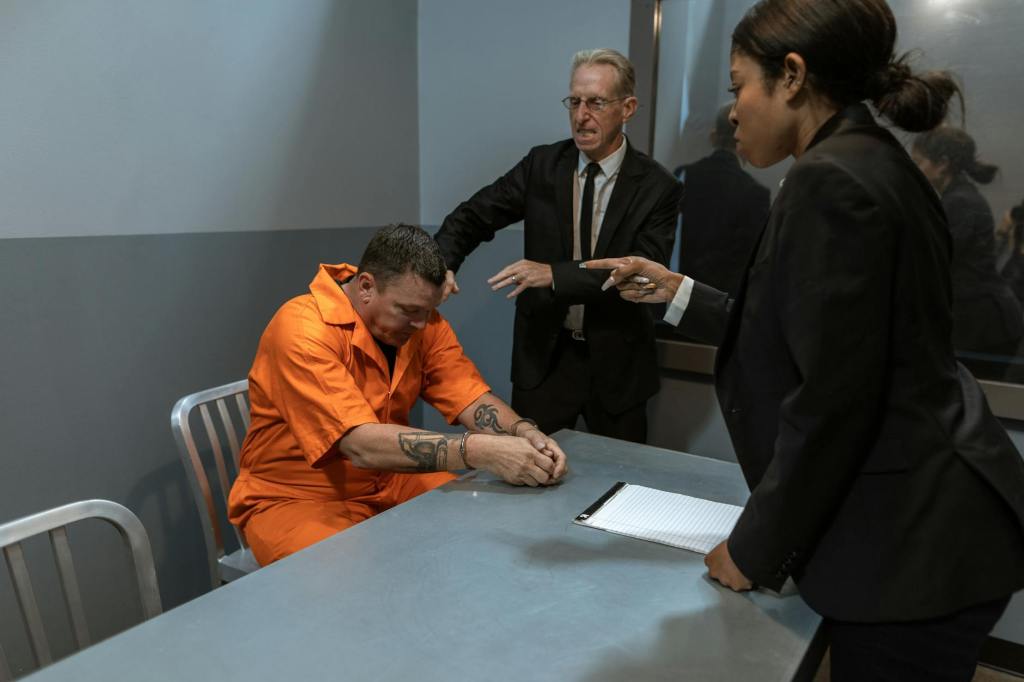
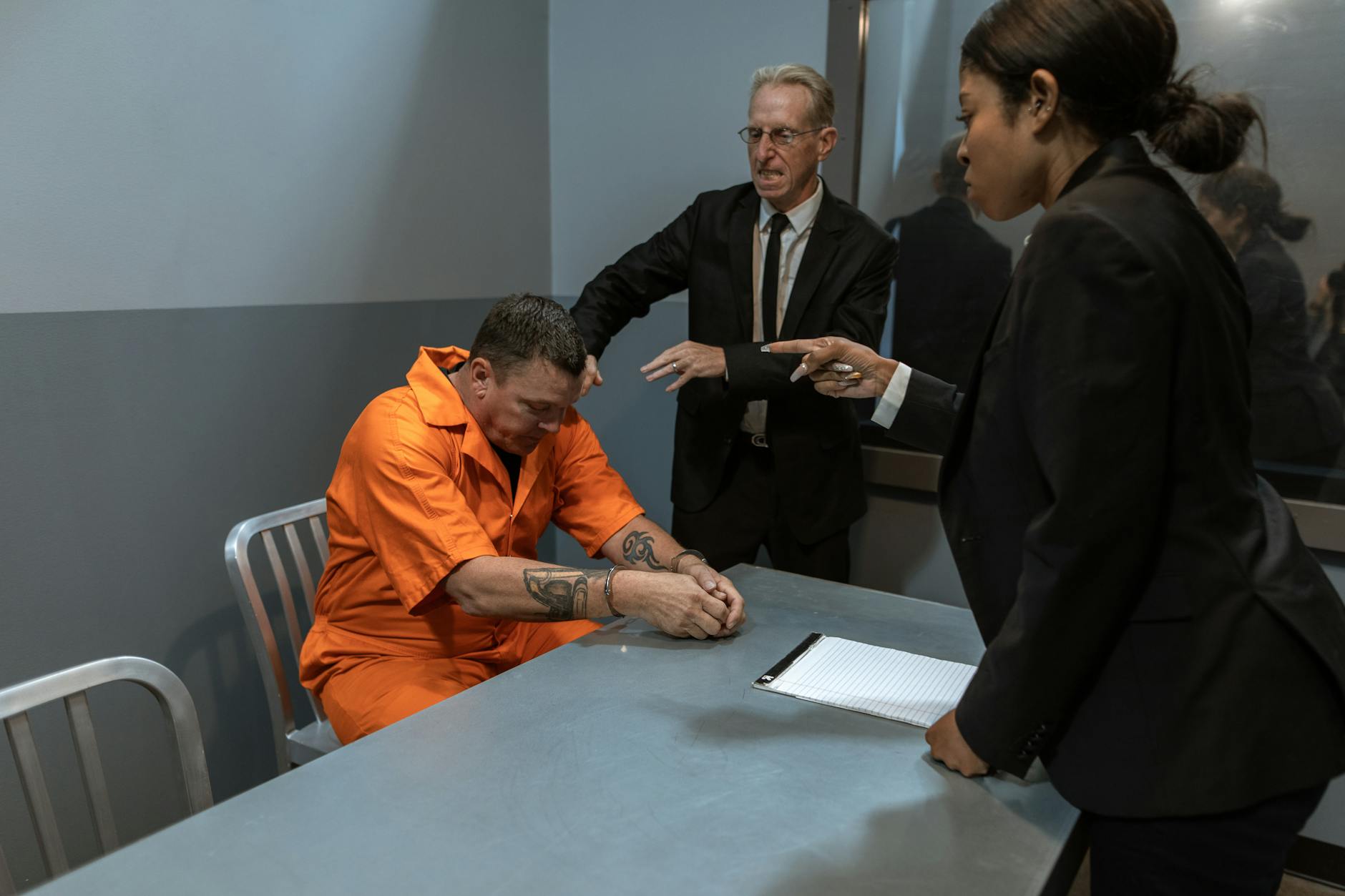
Discipline is a sensitive matter in any organization. It can cost an organization both financially and in performance yet it is a necessary aspect of the organizational life. In an employee disciplinary case, the Human Resources (HR) department plays a critical, structured, and neutral role. Its role is to secure fairness, legal compliance, and consistency in applying discipline. The breakdown of the Key roles of HR. HR plays several roles:
1. To guarantee due process is followed HR ensures that disciplinary procedures follow:
• Company policies and procedures
• Labor laws and regulations like Employment Act 2007 (Kenya)
• Natural justice principles like the right to be heard
2. Documentation and record-keeping.
In any case HR must:
• Maintains records of employee misconduct reports
• Documents disciplinary meetings, warnings, and actions taken
• Prepares letters like the show-cause, warning, and dismissal
3. Investigate complaints or misconduct
The HR:
• Coordinates or conducts impartial investigations
• Interviews witnesses
• Gathers evidence and ensures confidentiality
4. Ease disciplinary hearings
In this role HR:
• Issues notices for disciplinary hearings
• Advises on the composition of the disciplinary committee
• Ensures the employee has a chance to respond or bring a representative
5. Advise management on appropriate action
The HR:
• Recommends disciplinary actions to take like verbal warning, suspension, demotion, or dismissal
• Ensures the decision is proportionate and fair
6. Educate staff and supervisors
HR need to:
• Trains managers on proper disciplinary procedures
• Ensures consistency in how discipline is applied across departments
7. Mediate and Counsel
Where cases are less serious
HR can:
• Offer counseling to resolve behavioral issues
• Mediate between the employee and manager
• Suggest alternative actions like training and coaching
8. Mitigate legal risks
It is important for HR to:
• Ensures all steps are legally defensible
• Prepare for possible litigation or labor tribunal proceedings
• Work with legal counsel if needed.
In disciplinary cases HR is neither an accuser nor a defender. HR is a neutral facilitator. Their role is to ensure that the process is fair and lawful. They must respect the rights of both the employee and the employer. The outcome should be based on facts, not bias or emotion.
In an employee disciplinary case the accuser is usually the line manager, supervisor, or colleague who reports the misconduct.
The defender in the case is either the employee themselves, or their representative, say, the union representative.
The HR is a process manager. They ensure that the rules are followed, everyone is heard, and the case is handled objectively.
HR need to remain neutral. If they become biased, such as trying to protect management, the case can lead to legal challenges. Unfairly punishing the employee can also result in legal challenges. It can also damage employee trust and harm the company’s reputation and workplace culture.
Conclusion:
It is important for HR to keep neutrality in employee disciplinary case. The need to stick to proper processes reduce risks and protect all parties. Ensuring a disciplined approach builds trust and accountability in the organization.
What are your thoughts?

 ChegzMad Consultancy
Leave a comment