

What is E-mobility?
E-mobility is also called electric mobility. It refers to the use of electric power train technologies in-vehicle information and communication technologies. Electric connected infrastructure plays a role to allow the electric propulsion of vehicles and transportation systems. It signifies a major shift from internal combustion engine (ICE) vehicles to electric-powered alternatives.
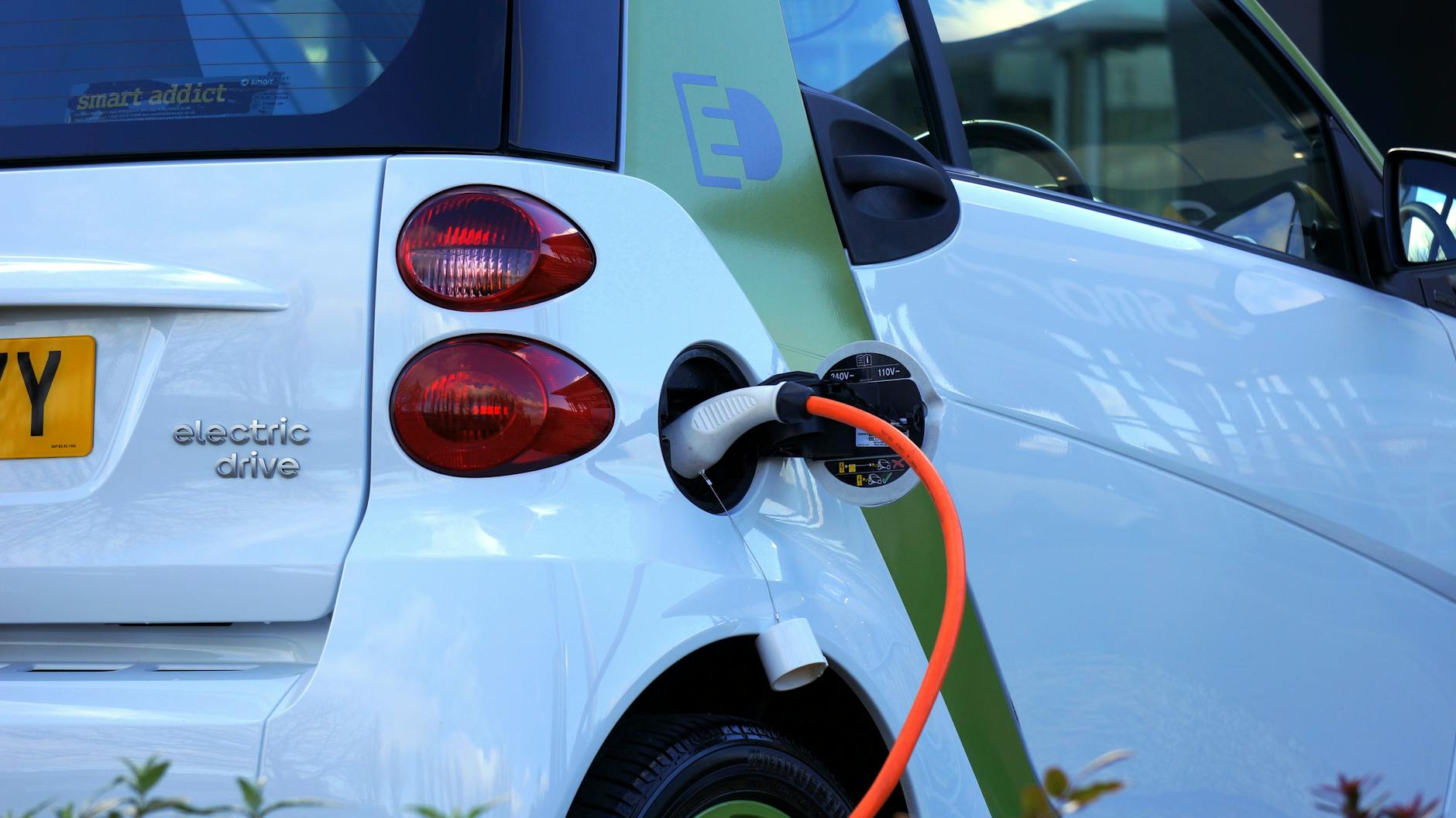
The Key Components of E-Mobility
These are:
1. Electric Vehicles (EVs)
2. Battery Electric Vehicles (BEVs) – Fully electric, no fuel engine.
3. Plug-in Hybrid Electric Vehicles (PHEVs) – Combines electric motor with a fuel engine.
4. Electric Buses, Motorcycles, and Bicycles – Used in urban transport systems.
5. Electric Trucks & Delivery Vehicles – now gaining popularity in logistics.
6. Charging Infrastructure like:
• Home Chargers – For private charging.
• Public Charging Stations – Level 2 (fast) and Level 3 (ultrafast/DC).
• Battery Swapping Stations – Used in some markets like in India, China.
7. Batteries and Energy Storage:
• Lithium-ion batteries dominate.
• Innovations like solid-state batteries are emerging.
8. Smart Grids and Renewable Energy Integration:
• EVs can work with smart grids to balance energy demand.
• For sustainability they need to be Integrated with solar, wind, and other renewables sources of energy.
Benefits of E-Mobility
1. It reduces greenhouse gas emissions and air pollution bringing environmental conservation.
2. It lowers fuel and maintenance costs for consumers thereby bringing in an economic value.
3. It reduces dependence on imported oil leveraging energy security:
4. It impacts cleaner air in cities hence improving public health.
The Challenges of E-Mobility
1. Inadequate charging stations, especially in rural areas.
2. Though prices are falling, EVs are still more expensive than ICE vehicles hence high upfront costs
3. There are emerging environmental concerns over lithium, cobalt, and other materials. These require and bring in battery recycling and supply chain challenges
4. Managing electricity demand from mass EV charging will lead to grid overload.
Global Trends
• Many governments offer subsidies, tax incentives, and mandates for EV adoption. This indicates policy support by countries
• Many cities are integrating e-mobility with public transport and last-mile delivery.
• Private car manufacturers like Tesla, BYD, Toyota, Volkswagen and other startups are investing heavily in E-Mobility vehicles. This shows private sector support.
• Africa & developing regions have focused on two- and three-wheelers, public buses, and solar-powered charging.
E-Mobility in Kenya
• The country has embraced e-mobility with increasing number in electric motorcycles (e.g., Opibus, now Roam).
• Public transport buses are being electrified through companies like BasiGo and Roam Rapid.
• Kenya’s abundant renewable energy i.e. geothermal and hydropower makes e-mobility especially viable.
• Government policies are beginning to support e-mobility through tax breaks and pilot projects.
The Future of E-Mobility is bright. More cities are implementing low-emission zones and EV-only lanes.
Digital platforms are evolving to connect EVs, charging, and public transport into seamless travel experiences.
Are you being hooked on?
 ChegzMad Consultancy
Leave a comment