

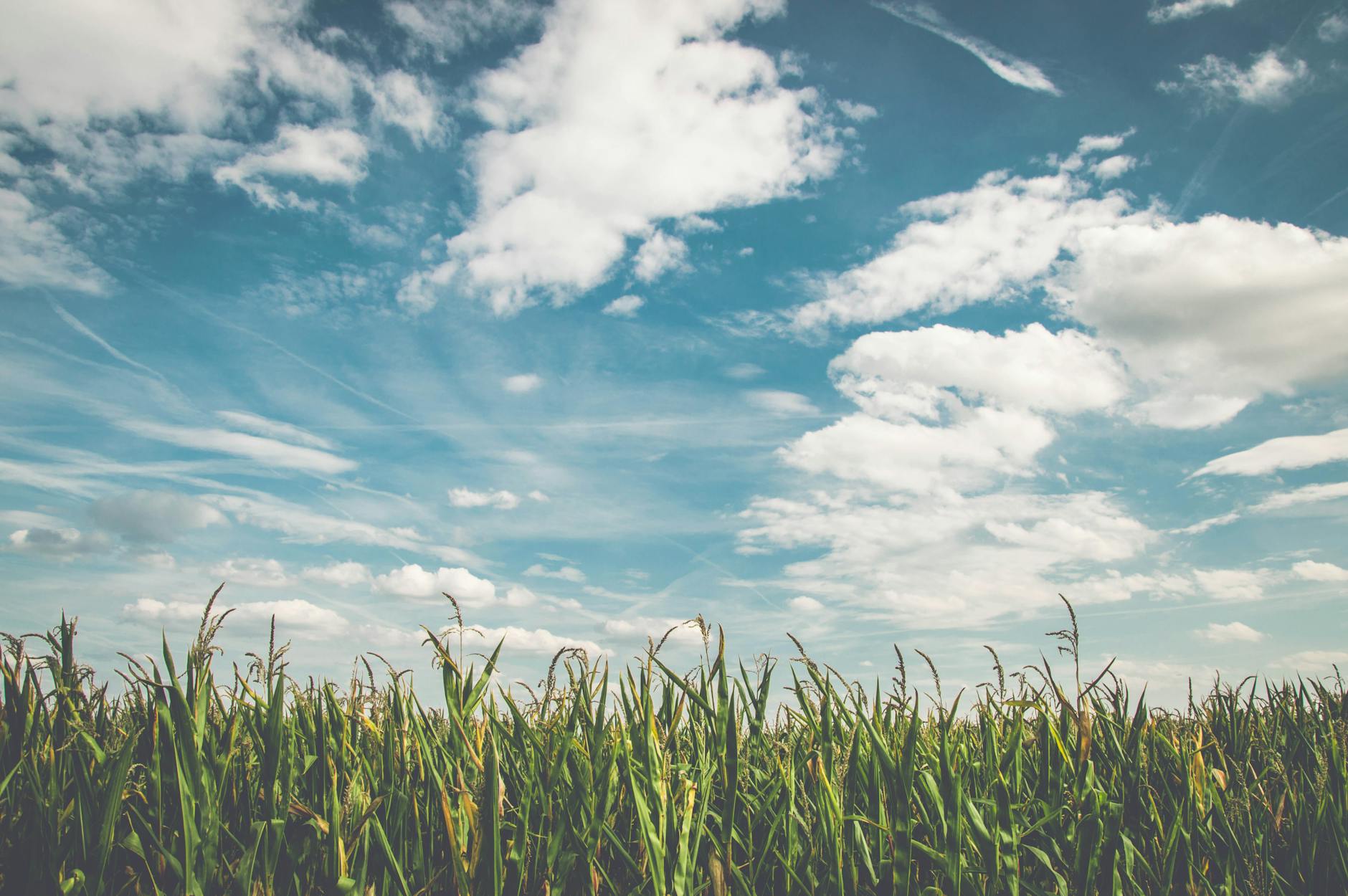
Climate Change is a phenomenon that has come up with it’s own challenges. Among these challenges is erratic Weather patterns. It is today difficult to predict weather. Getting an ideal weather for specified activities is also not very possible.
As a result of climate change weather patterns are unusual, unpredictable, and inconsistent. Weather patterns do not follow the normal climatic trends of a region.
Now, heavy rains can occur during the dry season. Also, extreme heat can happen in cold months. Sudden storms are possible, and prolonged droughts arise when not expected.
Climate change has caused enormous disruptions in the controls of weather.
Controls of Weather
Controls of weather are factors that influences or regulates weather patterns. What are these factors?
The controls are both natural and human-influenced factors. They are:
Solar Radiation
• This is the energy from the Sun
• It is the primary driver of weather.
• It determines temperature and evaporation rates.
Atmospheric pressure systems
• Two pressure systems, the low an high, exist.
• The pressure systems influence wind, rain, and storm development.
Ocean currents
• Ocean Currents are either warm or cold.
• These currents affect coastal and global weather patterns.
Topography
• These are also called Land forms
• They include mountains, valleys and slopes.
• Mountains can block rain causing a rain shadow effect.
• Valleys trap cold air. They change the weather patterns.
• Altitude or elevation affects temperature. The higher you go, the cooler it will be.
Wind patterns
• Moving air has an effect on weather patterns.
• The global winds distribute heat and moisture around the earth.
Humidity and moisture
• Humidity is the amount of water/moisture in the atmosphere.
• It influences cloud formation and precipitation.
Vegetation cover
• Vegetation refers to the plants on the earth surface.
• Forests influence rainfall and temperature through transpiration and shade.
Human activities
• The actions of people on the earth surface affect weather patterns.
• The activities include deforestation, pollution, urbanization, and greenhouse gas emissions.
• The actions disrupt natural weather regulation.
How to we adapt to Climate change?
• Adopt climate-resilient agriculture. Use drought-resistant seeds, irrigation systems, and crop diversification.
• Start water management programs. Build dams, water tanks, and promote rainwater harvesting.
• Undertake good urban planning. Improve drainage systems to prevent flooding and increase green spaces to reduce heat.
• Development of effective early warning systems. Weather forecasting need to be enhanced. The results of the forecast must be communicated. A good system for disasters management be put in place.
• Public awareness and education. Communities need to be trained on emergency preparedness and climate adaptation.
Mitigation measures for erratic Weather
• Reduce Greenhouse Gas Emissions. Can be done using renewable energy like solar and wind. Use of fossil fuel needs to reduce.
• Reforestation and afforestation. More trees be planted to restore natural climate regulation.
• Application of sustainable land use practice. Avoid overgrazing, soil degradation, and uncontrolled development.
• Control Pollution by reducing industrial and vehicle emissions.
• Promote clean technologies. These include using energy-efficient appliances and support eco-friendly industries.
It is imperative that climate change has taken shape. Aggressive mitigation measures are needed to deal with the aftermath of the effects. This needs concerted efforts from all! Take your personal action to mitigate climate change.
 ChegzMad Consultancy
Leave a comment