

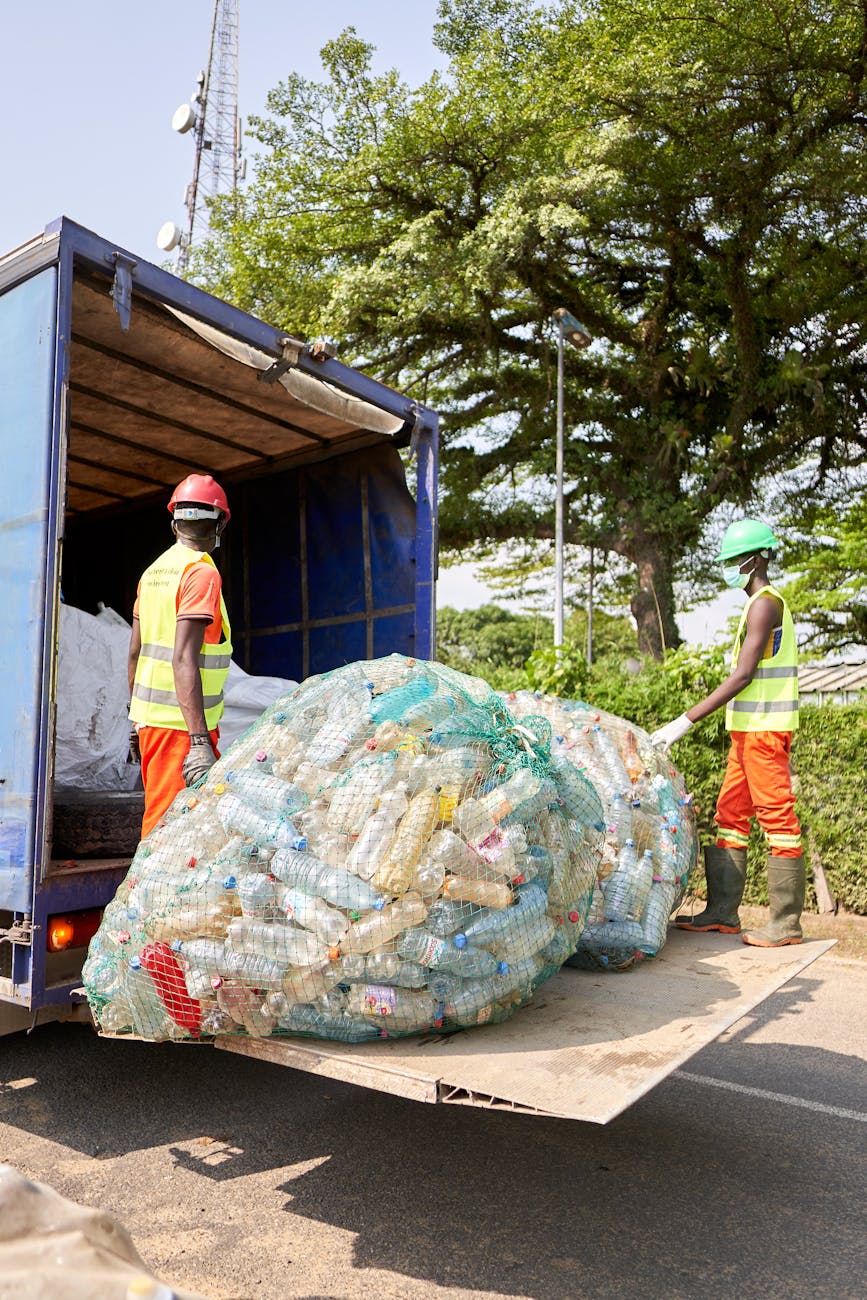
Clothes and shoes are some the things that people use and reuse. The process of reusing items already used is called recycling. Recycling is a process of waste management.
Waste Management.
Waste management involves collecting, transporting, and processing waste materials. It also includes recycling and disposal. This process minimizes their impact on the environment, human health, and aesthetics.
Types of Waste
Waste can be categorized into
- Solid Waste.
They include household garbage, plastics, paper, metals, etc. - Liquid Waste
Liquid waste are water, chemicals, and oils. - Organic Waste
These are wastes like food scraps, and garden waste. - Hazardous Waste
These are chemicals, batteries, and medical waste. - E-waste
They are items like electronics like phones, computers, etc.
Effective Waste Management Practices
- Reduce
Buy only what you need. Avoid single-use items. - Reuse
Use repurpose containers, clothing, and other items instead of discarding them. - Recycle
Sort waste to recover recyclable materials like plastics, glass, paper, and metals. - Composting
Turn organic waste like food scraps and garden waste into compost for gardening. - Proper Segregation
Separate waste at the source into biodegradable, recyclable, hazardous, and residual. - Safe Disposal
Use designated collection and disposal services for hazardous and non-recyclable waste. - Education and Awareness
Teach communities about sustainable practices and waste impacts. - Government Policies and Regulations
Enforce waste collection, recycling incentives, and penalties for illegal dumping. - Technology Use
Adopt waste tracking, smart bins, and treatment technologies like use of biogas, incinerators, and landfills with gas recovery.
Safe Disposal of Clothes and Footwear
Clothes and footwear form some of the largest solid waste materials.
These materials can be disposed off in these environmentally friendly way to helps reduce waste and pollution:
- Donating
- If you have these materials and don’t use them give to charities, shelters, churches, or community centers.
- Offer to friends or give out through local groups.
2. Sell or Swap
- You can sell them or swap at local marketplaces.
- Organize or join a clothing swap event.
3. Upcycle/Repurpose
Turn clothes into cleaning rags, pillow covers, tote bags, or craft projects.
4. Recycle:
- Look for textile recycling programs where they accept clothes for recycling.
- Some local/County governments have textile recycling bins.
5. Compost natural fibers.
If clothes are made of 100% cotton, wool, or linen, and don’t have synthetic dyes, cut them into small pieces. You can compost these pieces.
6. Avoid Landfills:
- Don’t throw clothes in regular trash unless they’re completely unusable and non-recyclable.
Clothes and footwear are old for you but another person look at them as new. These materials can be used and reused. Don’t throw them away!
 ChegzMad Consultancy
Leave a comment