


Are you a leader or a follower? Good question! And the responses will be many. Many respondents will actually commit to be leaders! That’s granted…
Leaders and Followers
So, who is a leader or follower? What are the distinguishing factors?
Generally a leader is a person who influences, guides, and inspires others toward the achievement of a common goal. A leader sets a clear vision, models integrity, and empowers people through trust, communication, and example.
How are Leaders different from followers?
A good leader is defined by a combination of character, skills, and behaviors that inspire trust and drive positive results.
These key qualities distinguishes leaders from followers:
- Integrity
A good leader is honest, consistent in values, and acts ethically.
For example Nelson Mandela spent 27 years in prison without compromising his principles. Upon release, he led South Africa through a peaceful transition from apartheid to democracy, emphasizing forgiveness and reconciliation over revenge. His integrity earned global respect and unified a deeply divided country.

- Vision
Leaders must see beyond the present and guide others toward a better future.
Leaders must have a clear, compelling long-term goal. They need to communicate the goal effectively.
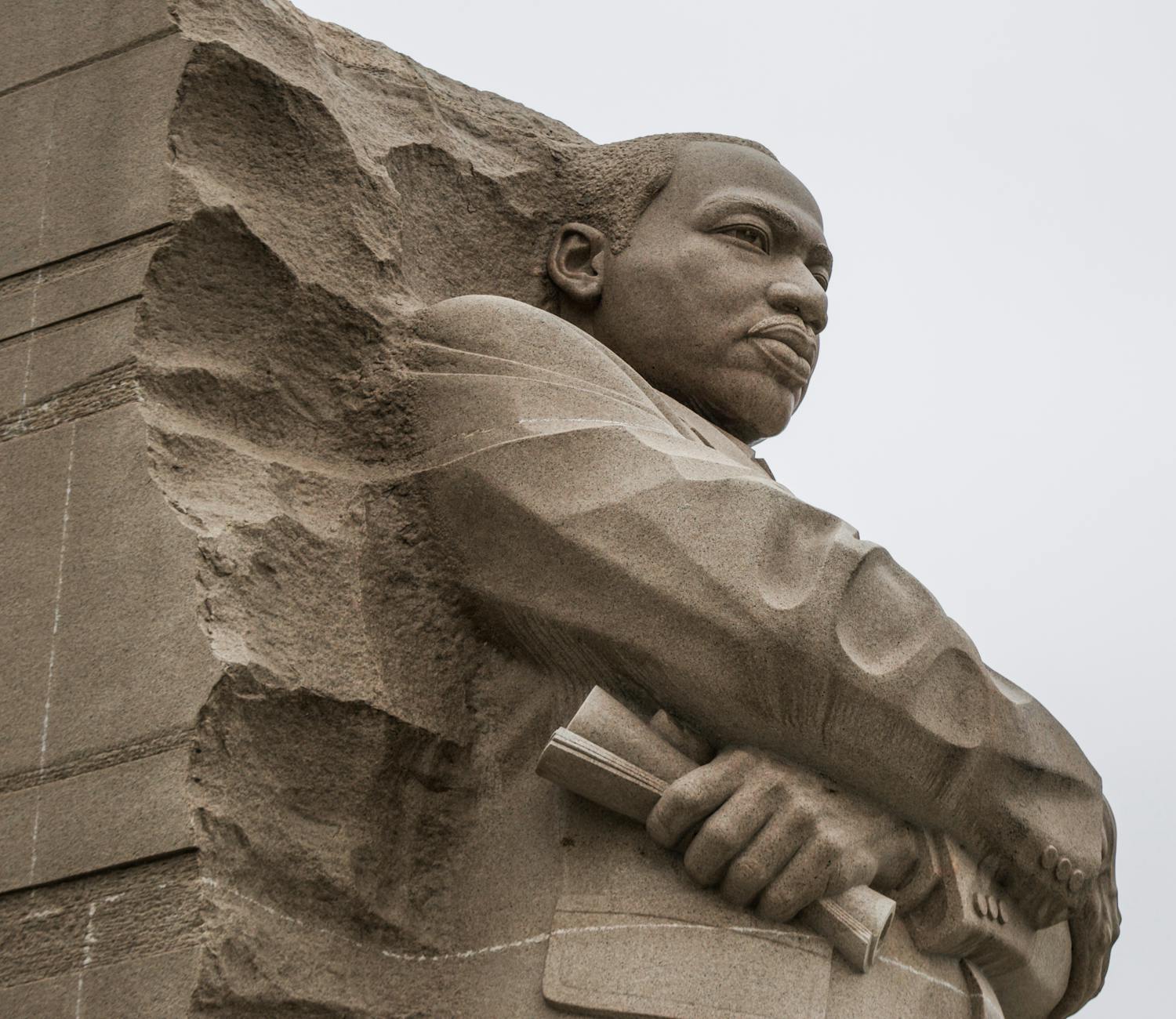
For example Martin Luther King Jr. envisioned a world where people were judged by their character, not skin color. His “I Have a Dream” speech inspired a movement. It shifted public opinion. The speech laid the foundation for civil rights progress in America. - Empathy
A good leader should understand and connect with others’ emotions, builds trust and loyalty.
For example the New Zealand’s Prime Minister, Jacinda Ardern showed deep empathy during the Christchurch mosque shootings and COVID-19 crises. Her compassionate leadership brought calm and unity, and citizens responded positively to her emotionally intelligent approach.
- Effective Communication
Strong leaders articulate ideas clearly and listen actively.
For example Barack Obama’s eloquence and clarity in speeches made complex issues accessible and relatable. He also fostered open dialogue, encouraging participation and understanding across diverse audiences.
- Decisiveness
Good leaders make firm decisions, even when unpopular, and take responsibility.
For example, Margaret Thatcher was the first female Prime Minister of the UK. She was known as the “Iron Lady” for her decisive leadership. She took strong stands on economic reform and governance, transforming the British economy despite intense criticism. - Accountability
Leaders must own their decisions and outcomes, and encourage a culture of responsibility.
For example Angela Merkel, Chancellor of Germany for 16 years, was known for admitting mistakes and explaining her decisions transparently. Her leadership through economic and refugee crises earned her respect as a reliable and accountable.
- Adaptability
The ability to change strategies and embrace innovation is vital in dynamic environments.
Leaders need to embrace change and adjusts strategies in response to evolving conditions.
For example Elon Musk adapts quickly to challenges in industries like electric vehicles (Tesla), space (SpaceX), and AI (OpenAI, xAI). His willingness to take risks and pivot when needed has disrupted multiple industries.
- Inspiration and Motivation
A leader who inspires others through actions and conviction motivates change.
For example Malala Yousafzai stood up for girls’ education in the face of Taliban threats, surviving an assassination attempt. Her courage and advocacy have inspired millions worldwide, earning her the Nobel Peace Prize at just 17.
- Confidence with Humility
Leaders must believe in themselves but remain open to learning and improvement.
For example as Microsoft CEO, Satya Nadella revived the company by shifting its culture toward learning and empathy. He embraced humility, admitted past corporate missteps, and focused on collaboration and innovation.

- Delegation
Effective leaders empower others, knowing they can’t do everything alone.
For example, Mahatma Gandhi inspired a massive nonviolent resistance movement in India. He relied on trusted allies like Nehru and Patel to carry out different roles.
His leadership style empowered millions while avoiding authoritarianism.
Reasons why Followers Despise Leaders
Followers will despise leaders for certain negative behaviors. They can lose respect for leaders because of poor attitudes or failures. Key factors that contribute to resentment are:
- Lack of Integrity
Lack of integrity leads to dishonesty, corruption, or broken promises. This destroys trust as followers feel betrayed.
A leader who embezzles funds or lies to cover up mistakes will be despised by followers.
- Inconsistency and Favoritism
Leaders who treat team members unequally, who change rules or standards arbitrarily will be resented.
For example leaders who promote close allies despite poor performance while ignoring hardworking staff will be despised. - Poor Communication
Leaders who withhold information, issue unclear instructions, or use dismissive tone leads to confusion, frustration, and misalignment.
Such leader doesn’t explain decisions or ignores feedback. - Arrogance or Lack of Empathy
Leaders who are self-centered, dismissive, or indifferent to others’ feelings. These behaviors alienate followers. They create emotional distance.
Such a leader ignores staff concerns during difficult times or treats people as tools.
- Incompetence
This is the inability to lead effectively, make sound decisions, or solve problems.
This erodes confidence in leadership due to repeated failures in strategy or crisis management.
- Lack of Accountability
Leaders who blame others for failures and refusing to admit mistakes demoralizes teams and lowers respect.
A leader who takes credit for success but scapegoats subordinates during setbacks is a failure.
- Micromanagement or Lack of Trust
Leaders who over-control and does not delegate responsibilities demotivates and frustrates capable team members.
Such leader monitors every detail instead of empowering employees.
- Hypocrisy
These leaders preach values they don’t practice. Hypocrisy undermines credibility. - Ignoring Team Development
Leaders who fail to support learning, growth, or recognition make followers feel undervalued and stagnant. - Abuse of Power
Leaders who use authority for personal gain, intimidation, or harassment creates fear, toxicity, and rebellion.
Conclusion
Great leadership is not about position or power, but about values, actions, and impact on others.
In healthy organizations, good leaders often empower their followers to become future leaders by fostering autonomy, critical thinking, and collaboration.
Are you a leader or follower?
 ChegzMad Consultancy
Leave a comment