

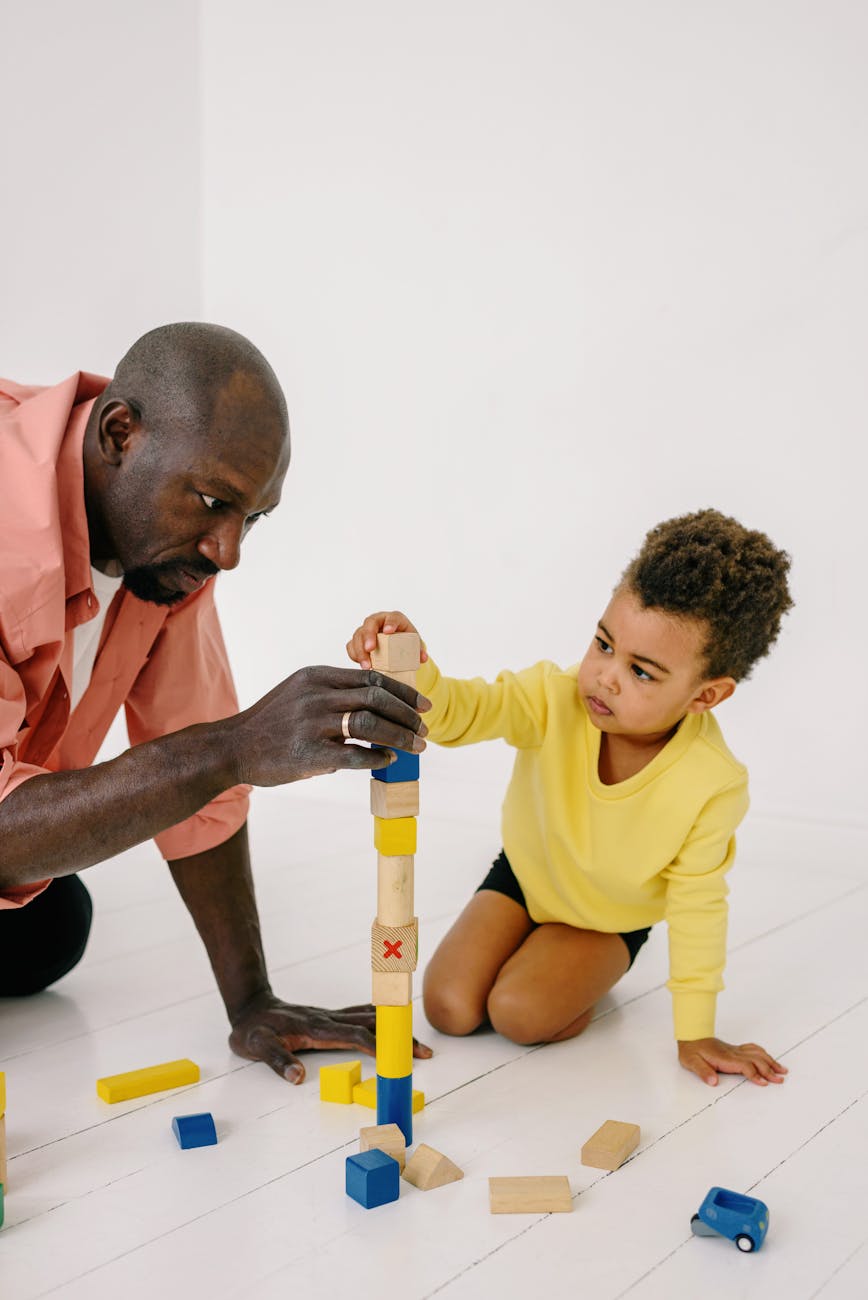
It is now being accepted that role models are becoming scarce commodities. This factor is now commonplace in leadership, politics, education, name them. What’s being observed in many spheres is what can be referred to as far distance relatives of role models!
Why do I say this? By the way before I continue my discourse, can you name role models in your area? Your sphere? I fear to say that you will be disappointed. So when we ask the youth, now Genzs to look for role models, where do they get them.
Allow me to proof or to give you an opportunity to disapprove my notion. I will start by defining who a role model is.
A role model is someone who influences others by setting a positive example. They do this through their actions, words, and values. Is this very correct, is it? How about role modeling?
Role modeling is a process where individuals learn behaviors, values, or skills. They do this by observing and imitating others they admire or consider as examples.
So when people act, speak, and behave negatively, do we still have role models? Are the elderly, the leaders, and the preachers among these individuals? What’s the Importance of Role Modeling?
- Role modeling helps to guide behavior and decision-making.
- It motivates others to strive for excellence.
- It supports character development and ethical standards.
- It enhances learning through observation.
Principles of Role Modeling
To become a role model, one must consistently show qualities, behaviors, and attitudes that inspire and positively influence others. These are key steps:
- Live by strong values
Uphold integrity, honesty, respect, and responsibility in all actions. - Lead by example
Practice what you preach, show professionalism, hard work, and discipline. - Communicate effectively
Use respectful, clear, and inspiring communication. Avoid doublespeak. - Be consistent
Keep high standards even when no one is watching. Always speak what you say! - Show empathy and kindness
Treat others with compassion and support their growth. Understand when people are okay and when they are suffering. - Admit mistakes and learn
Be humble enough to own up to errors and show how to grow from them. Owning up to mistakes doesn’t imply you are weak. It creates strength in you. - Keep learning and improving
Show a commitment to self-development and lifelong learning. Always allow criticism to build your knowledge. - Inspire and mentor others
Offer guidance, encouragement, and support to those looking up to you. They influence followership. Don’t coarse people to follow your way.
Role Modeling as a Leader
The society looks upon leaders to show leadership by:
- Lead by example
Leaders should show the behaviors, attitudes, and work ethic they expect from others. - A leader must have a vision that they communicate clearly. They need to help followers understand the mission and their role in it.
- Leaders need to be accountable and transparent. They must take responsibility for decisions and communicate openly.
- Leaders need to empower others. They need to encourage and support team members to grow and contribute meaningfully.
- Leaders need to stay calm when under pressure. They need to model composure and resilience in challenging situations.
- They need to uphold ethical standards. They need to make decisions based on fairness and integrity.
- Leaders need to mentor and develop others. Leaders need to invest their time in guiding the next generation of leaders.
For one to be a role model they need to live their values visibly and to be consistently most times. Are you a role model?
 ChegzMad Consultancy
Leave a comment