

Someone would say my best restaurant is one that sells organic! Really? Do we actually have organic food? So what is organic food?
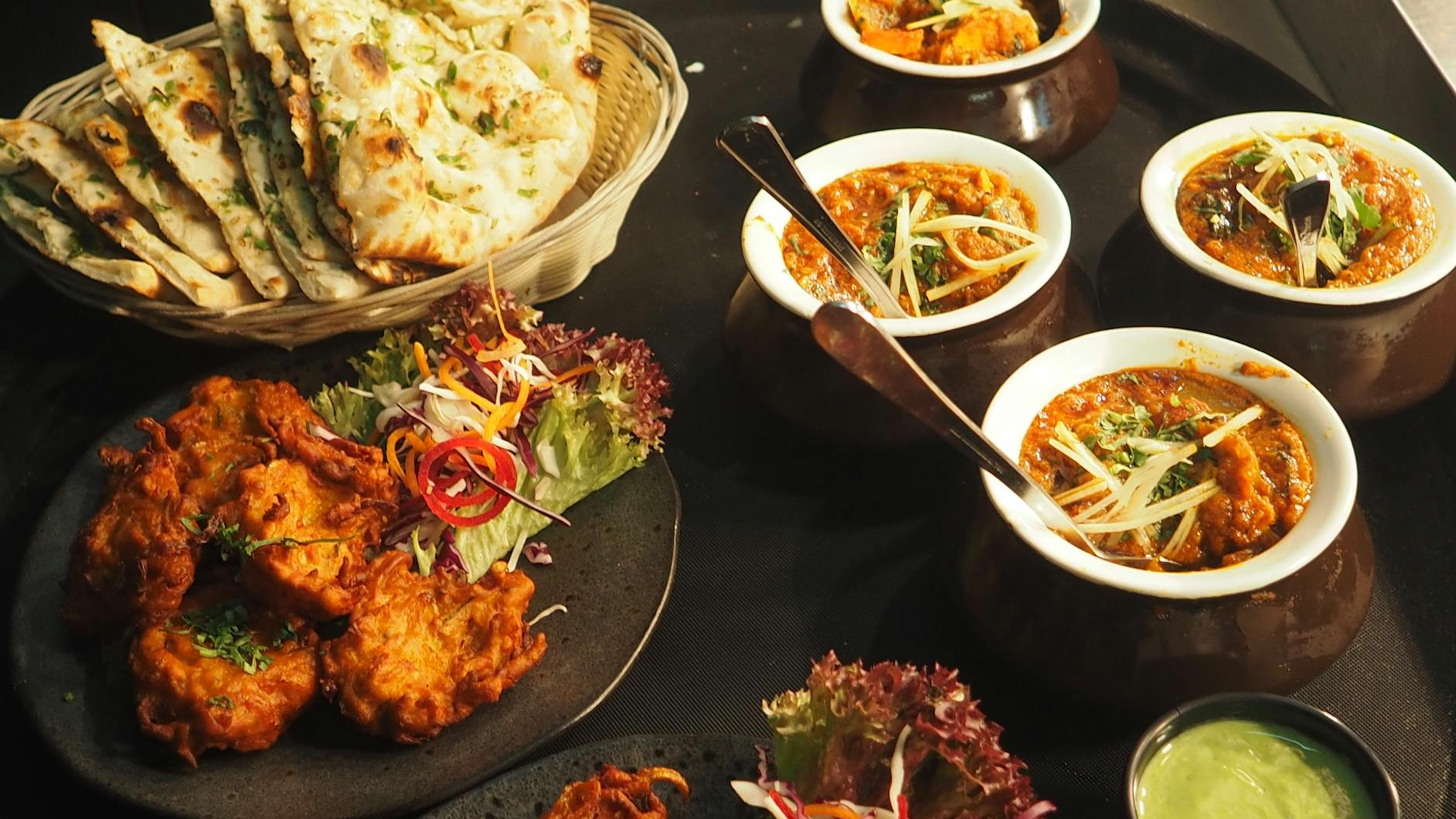
Organic food is basically food that’s grown or produced without using synthetic chemicals. These chemicals include artificial pesticides, fertilizers, or genetically modified organisms (GMOs). In organic farming farmers use natural techniques of production. Such includes composting, crop rotation, and biological pest control.
For example, in the production of fruits and vegetables farmers don’t spray chemical. In meat production animals are raised on organic feed without growth hormones or unnecessary antibiotics.
Elements of organic farming
The elements include:
- The use of natural soil fertility. Farmers use compost, green manure, and crop rotations to naturally enrich the soil instead of synthetic fertilizers.
- Biodiversity or mixed farming- different crops are grown together through polyculture to keep the ecosystem balanced and healthy.
- There is natural pest control. Instead of using chemical pesticides, beneficial insects like ladybugs are used. Traps or plant-based sprays also help manage pests.
- There is no use Genetic modification- farmers strictly avoid genetically modified organisms in crops and animal production.
- Animals are raised more naturally. They are cared for in outdoor spaces, given organic feed, and very minimal or no use of antibiotics or hormones.
- Application of crop rotation and companion planting- rotating crops keeps the soil from getting worn out. It also helps prevent disease buildup. In companion planting certain plants are grown together to boost growth and deter pests naturally.
Organic VS Non-organic Food
- The dirty List
Here is the list of the dirty food that you must buy organic.
These foods usually have the highest pesticide residues when grown conventionally.
- Strawberries
- Spinach
- Kale, Collard & Mustard Greens
- Grapes
- Peaches
- Pears
- Nectarines
- Apples
- Bell and Hot Peppers
- Cherries
- Blueberries
- Green Beans
These foods are called dirty because they have soft skins or leafy surfaces that absorb chemicals easily. - 2. The Clean List
- These foods are usually safe to buy non-organic because they have thick skins or low pesticide use.
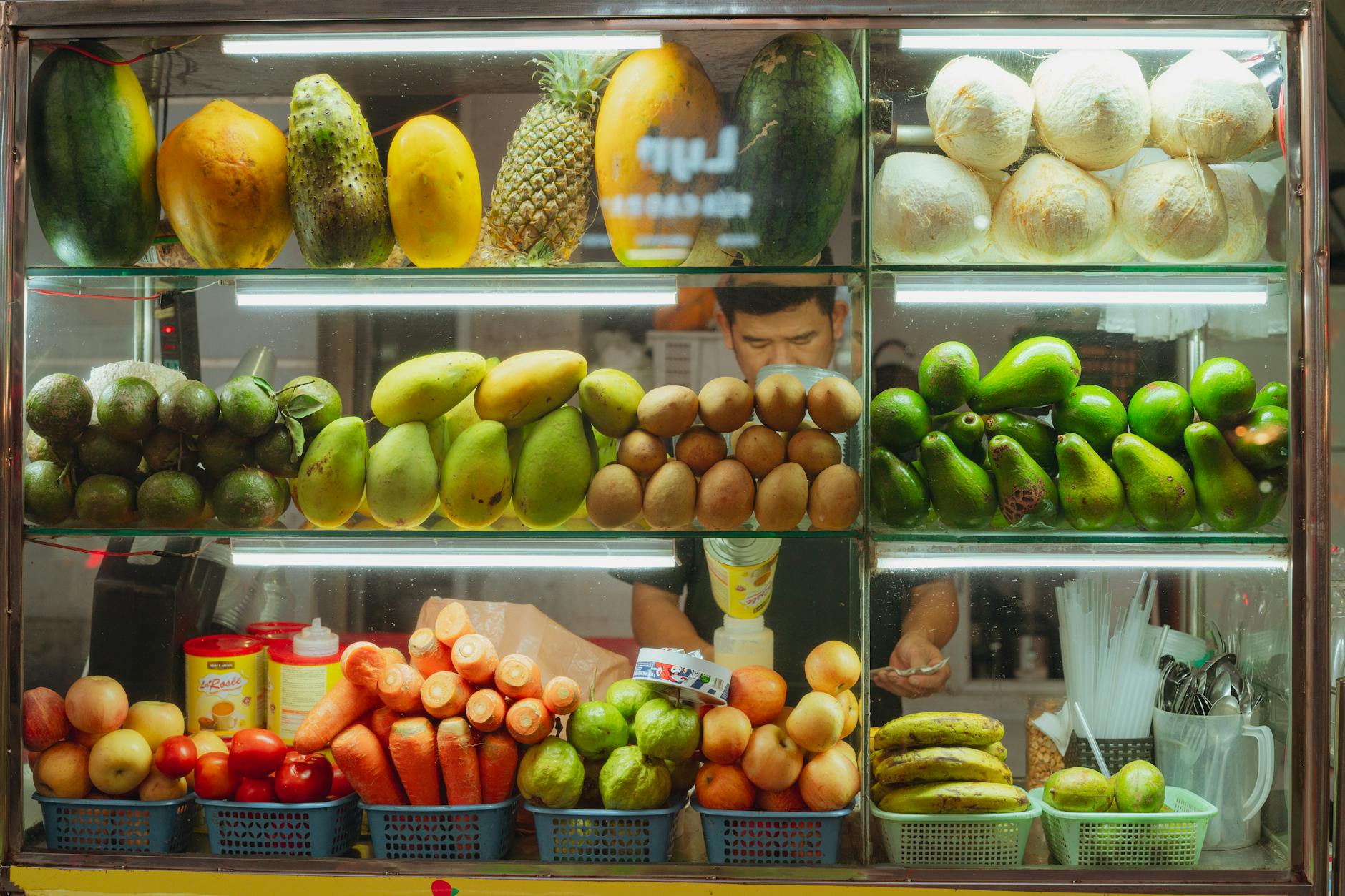
- Avocados
- Sweet Corn
- Pineapple
- Onions
- Papaya
- Sweet Peas (frozen)
- Asparagus
- Honeydew Melon
- Kiwi
- Cabbage
- Watermelon
- Mushrooms
- Mangoes
- Sweet Potatoes
- Carrots
These are reasons why they are referred to as clean
- Many have thick outer skins that protect the inside.
- Some naturally resist pests, so farmers don’t need to spray them much.
- Some are less attractive to bugs and fungi hence fewer chemicals are needed.
How do you Recognize Organic or Non-organic on the Shelves?
It’s no easy or hard! Always be keen with the PLU codes (Price Look-Up).
- PLU are the little stickers with numbers put on fruits and vegetables at grocery stores.
- For the cashier they’re mainly for them to quickly ring up the item.
- For shoppers they secretly tell you how the produce was grown.
The Checklist to crack the code
- 4-digit code (e.g., 4011)- it shows that the product was conventionally grown with standard farming. It indicates that synthetic fertilizers and pesticides may have been used.
- 5-digit code starting with 9 (e.g., 94011)- it indicates that the product was Organically grown.
- 5-digit code starting with 8 (e.g., 84011)- this indicates that the product was Genetically modified (GMO). Naturally GMOs rarely show up labeled this way because most stores don’t want to sell them directly.
Here is a sample of coding
- Banana 4011 = regular/conventional
- Banana 94011 = organic
- Banana 84011 = GMO (if labeled, but rare)
In conclusion let’s not just I prefer organic to non-organic. Take your to understand the difference. Let’s meet next as I discuss the myths around organic and non-organic.

Traveling to Kenya…? Western Kenya in particular? Find your best destination through chegzmad consultancy! Your travel guide!
 ChegzMad Consultancy
Leave a comment