

A positive change is any shift, transformation, or improvement that leads to a better situation, outcome, or experience. It usually means moving from something less desirable to something more desirable. Positive change involves becoming healthier. It also means learning a new skill. It is fixing a problem, improving a relationship, or growing stronger after a challenge.

It can be big or small, personal or shared with others. It can be leaders encouraging each other to eradicate unnecessary suffering of their communities.
Some of my Positive changes
• Advancement in my education up to earning a Ph.D. in Human Resource Management and Development. This shows growth, persistence, and commitment to expertise.
• Expanding my professional roles from teaching to high-level consulting, election management, research, and university lecturing. This indicates my urge to continually built new skills and taking on bigger responsibilities.
• Published research articles that contribute to knowledge. This means I’m not just growing myself but also helping others grow.
Individuals should pursue personal, professional, and even social growth.
They should not just wait for change, they need to make it happen.
Like individuals, leaders should also cause positive changes in their communities. They can spark positive change through:
• Inspiring Growth and Education
Good leaders open up opportunities for learning and development. They create programs, mentorships, workshops, and inspire people to aim higher — academically, professionally, and personally.

• Building Trust and Unity
A leader who is fair, transparent, and empathetic can strengthen bonds within the community. They break down barriers, reduce conflict, and foster a sense of belonging and teamwork.
• Driving Economic Empowerment.
Through initiatives like entrepreneurship programs, job creation efforts, or partnerships with businesses, leaders can help lift people economically. This provides them with independence and dignity.
• Championing Social Justice and Fairness
Positive leaders stand up for fairness, equal opportunities, and advocate for the marginalized. They make sure everyone, regardless of background, has a voice and a seat at the table.
• Promoting Health and Well-being.
Leaders can encourage healthier lifestyles. They can organize wellness programs. Leaders also support mental health initiatives. They guarantee people have access to the care they need.
• Creating a Vision for the Future.
Great leaders paint a picture of what’s possible — and then involve others in making that dream a reality. They motivate people to think bigger, work together, and innovate.
• Role Modeling Integrity and Resilience.
When leaders show ethical behavior, they teach others by example. They show resilience in tough times. They commit to service over self. This teaches others how to live with purpose and courage.
Positive-change- oriented leaders don’t just fix problems. They lift people up, create new possibilities, and leave the community stronger than they found it.
The Role of Leaders in Ending Ethnic Wars in the Horn of Africa.
The Horn of Africa, which includes countries like Ethiopia, Somalia, Eritrea, Sudan, South Sudan, and Djibouti. This region has had long struggles with ethnic-based conflicts. These wars have caused devastating human suffering, displacements, and economic setbacks. In such fragile environments, leaders have a critical, irreplaceable role in ending the violence and building peace.
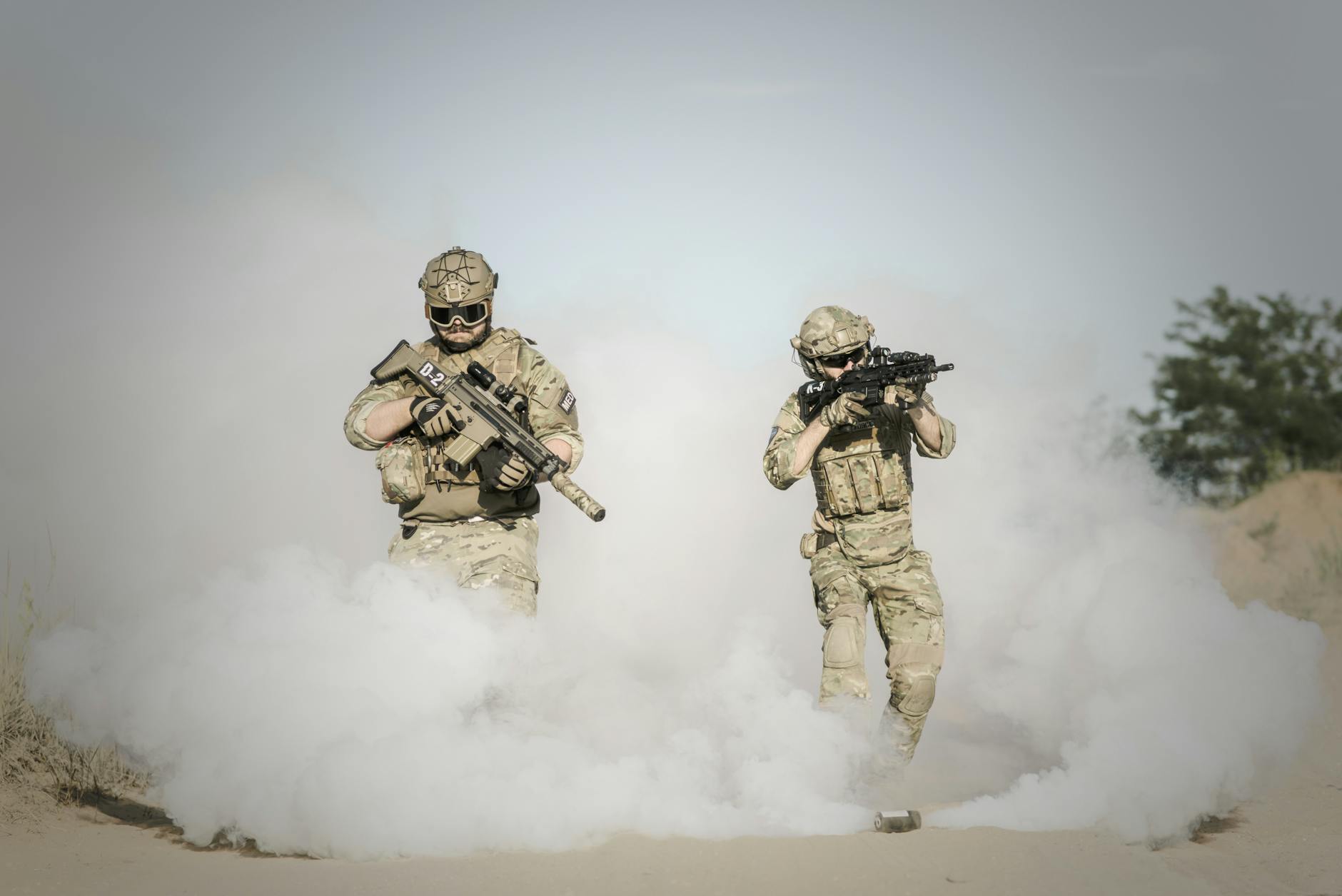
How to Build Peace
• Promoting Inclusive Governance
Many ethnic conflicts arise because one group feels excluded. Leaders must ensure that political systems are inclusive. These systems should allow all ethnic groups to participate meaningfully in decision-making and governance. They should not just dominate others.
• Facilitating Honest Dialogue
Ethnic wars often feed on mistrust and hatred. Strong leaders create platforms for dialogue, truth-telling, and reconciliation between warring groups. They encourage listening rather than blaming, understanding rather than revenge.
• Acknowledging Historical Grievances.
Leaders need to recognize the historical injustices that certain ethnic groups have suffered. These include land dispossession, political marginalization, or violence. They must work toward fair redress.
• Building National Identity Over Ethnic Identity.
Great leaders move people from a mindset of “my tribe first” to “our nation first.” They work to foster shared national pride and unity, while still respecting and celebrating cultural diversity.
• Demobilizing and Reintegration of Armed Groups.
After ethnic conflicts, leaders must oversee peace agreements. These agreements should not only stop fighting, but also demobilize militias. Leaders need to reintegrate former fighters into society and provide alternative livelihoods. This approach helps prevent a return to war.
• Economic Development and Equity
Many ethnic conflicts are worsened by poverty and inequality. Leaders must push for balanced development. They need to ensure that all regions and groups benefit from resources, jobs, education, and infrastructure.
• Partnering with Regional and International Actors
No country in the Horn can solve its problems alone. Wise leaders work together with neighbors. They cooperate with the African Union and the UN. Their goal is to build long-term peace. They share best practices. They prevent external interference that can worsen tensions.
• Being Role Models of Peace and Restraint
In highly emotional environments, even one leader’s hateful speech can ignite violence. Leaders committed to peace must model forgiveness, humility, and patience — showing that reconciliation is possible even after deep pain.
In conclusion, leaders are the bridge between past wounds and future hope. Without courageous, visionary, and peace-driven leadership, ethnic wars will simply pause and then return. But with the right leaders, true healing and a new era of cooperation can emerge.
 ChegzMad Consultancy
Leave a comment